Expert Tips: Avoiding Common Mistakes in Rental Property Insurance
CS
Understanding Your Coverage Needs
When investing in rental property insurance, it's crucial to understand the specific coverage you need. Many property owners make the mistake of assuming that standard homeowner's insurance will suffice. However, rental properties have unique risks and require specialized coverage. Ensure your policy covers liability, property damage, and loss of rental income. Understanding these needs can help you avoid gaps in coverage that could be costly.

Additionally, evaluate the location and condition of your property. Properties in high-risk areas, such as flood zones, may require additional insurance. Regular maintenance and updates to your property can also affect your insurance needs and potentially lower your premiums.
Choosing the Right Insurance Provider
Selecting the right insurance provider is just as important as choosing the right policy. Many property owners settle for the first policy they find without researching the provider's reputation and customer service. Start by asking for recommendations from other property owners and reading online reviews. A provider with a strong track record and excellent customer service can make a significant difference in your experience.
It's also wise to compare quotes from multiple providers. Don't just focus on the price; consider the coverage limits and exclusions as well. A cheaper policy might save you money upfront, but it could cost more in the long run if it doesn't provide adequate coverage.

Reviewing Policy Exclusions Carefully
One of the most common mistakes landlords make is not thoroughly reviewing policy exclusions. Exclusions are specific conditions or circumstances that are not covered by your insurance policy. Overlooking these can lead to unexpected expenses during a claim. Make sure to ask your insurer to clarify any exclusions you don't understand.
Common exclusions can include natural disasters, certain types of damage, or specific tenant-related incidents. Being aware of these exclusions allows you to either adjust your coverage or take preventive measures to mitigate risks.
Regularly Updating Your Policy
Your insurance needs may change over time, especially if you make significant improvements to your property or if the rental market shifts. Regularly updating your policy ensures that your coverage remains adequate. Set a reminder to review your policy annually or whenever you make changes to your property.
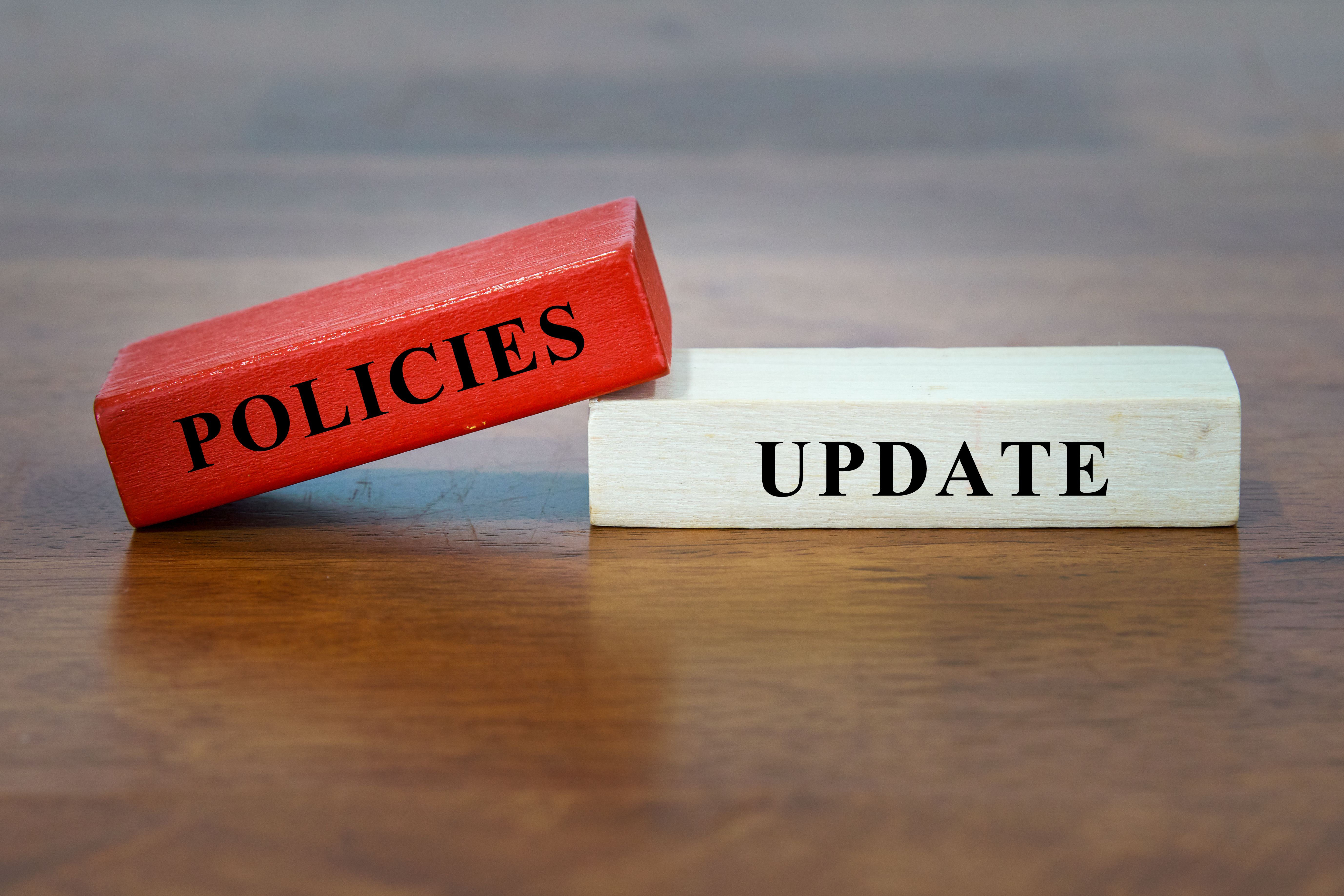
Keep open communication with your insurance provider to discuss any changes that might affect your coverage. This proactive approach can prevent coverage gaps and keep your property protected.
Documenting Everything
Proper documentation is essential when dealing with rental property insurance. In the event of a claim, having detailed records of your property’s condition, maintenance, and any incidents can streamline the process and support your case. Keep records of repairs, upgrades, and tenant agreements.
Consider taking photos or videos of your property before renting it out. This visual documentation can be invaluable in the event of a dispute or claim. Additionally, make sure all documentation is stored securely and backed up digitally.
By following these expert tips, you can avoid common pitfalls in rental property insurance and ensure your investment is well-protected. Taking the time to understand your policy, choose the right provider, and keep everything up to date will pay off in the long run.